August 27, 2026
Selling a Rural Property in Missouri: What Homeowners Should Know
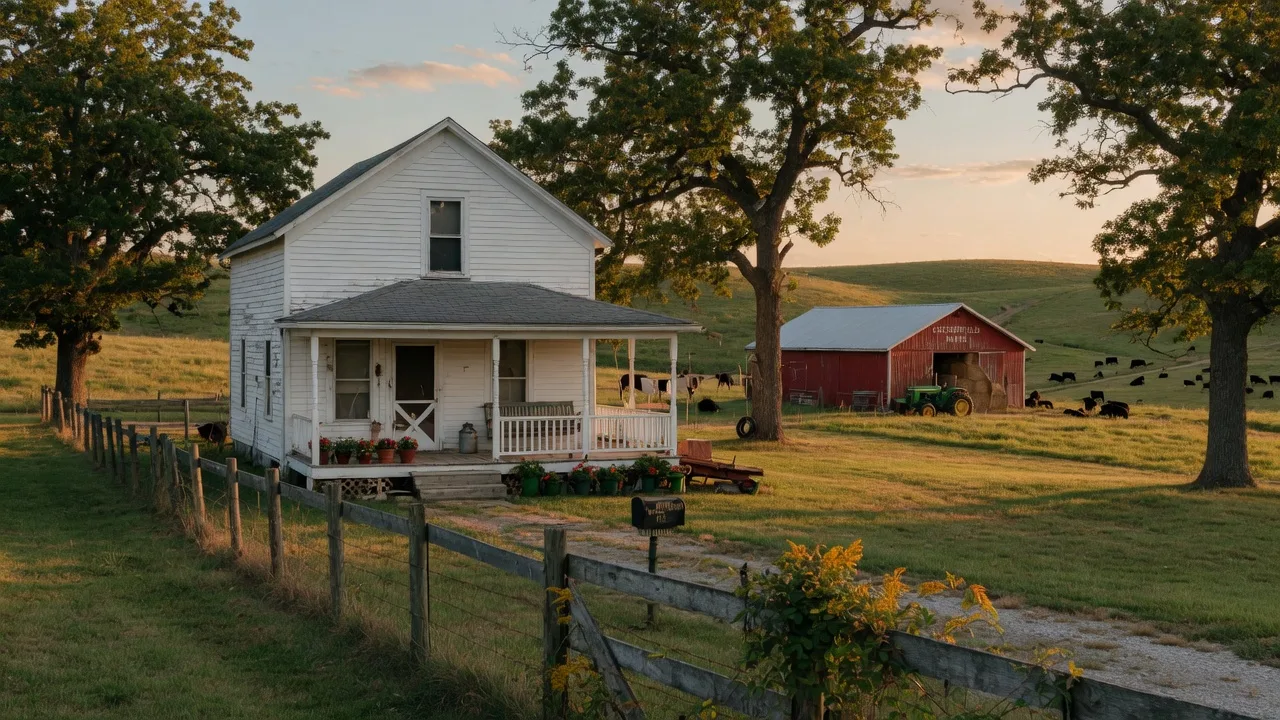
Selling rural property in Missouri is different from selling in town. A house on a quiet street in Springfield or Nixa has city water, city sewer, and a neatly defined lot with clear boundaries. A rural property outside city limits comes with a well, a septic system, a few acres of land, and often a collection of outbuildings, shared driveways, and access roads that the city crowd never thinks twice about.
If you own a rural property in Southwest Missouri, those features are part of what makes your place special. But when the time comes to sell a rural property in Missouri, buyers will want to understand every one of those features. Being prepared on the front end makes the process smoother, builds buyer confidence, and helps you get full value for your property.
This guide covers the practical side of selling rural real estate and acreage in and around Springfield, Ozark, Nixa, Branson, and the surrounding counties of Southwest Missouri. I am sharing this as general guidance from years of experience marketing and selling rural homes, not as legal advice. Each transaction involves its own disclosure rules and paperwork, and your agent and closing attorney or title company will guide you through the process.
Understanding Your Water Source: Wells and Shared Systems
If your property is outside city limits, your water commonly comes from a private well. Private wells are a way of life across rural Southwest Missouri, and buyers who grew up in the country are comfortable with them. But buyers moving from a city or suburban setting may have questions, and lenders will want to know that the water source is reliable and safe.
As a seller, start by gathering whatever you know about your well. When was it drilled? How deep is it? What is the flow rate? Do you have any water quality test results, especially for bacteria and nitrates? The age and condition of the well pump matter too. A well pump that is twenty years old and still running may work fine, but a buyer may ask about replacing it as part of their due diligence.
Missouri's seller disclosure statement specifically asks about the water source and whether the seller has any knowledge of water quality issues. Being upfront about what you know and what you have on record saves headaches later. If you have never tested your water, you can order a basic well water test from a certified lab. Having those results ready when the listing goes live signals to buyers that you are a prepared and transparent seller.
Some rural properties in Southwest Missouri are connected to a shared or community well system. If your home is part of a shared well, you likely have a written agreement with the other users covering maintenance, cost-sharing, and access. Buyers will want to see that agreement. If you do not have a copy, reach out to your neighbors or the well association before listing. A shared well agreement that is clear and up to date is an asset. One that is vague or missing can scare off a buyer.
Rural properties also commonly use propane for heating, cooking, or water heaters. Buyers will want to know if you own your propane tank or lease it from a supplier, and how much propane typically costs per year. Having your recent propane bills available is a small move that makes a big impression.
Septic Systems and Lagoons: What Sellers Need to Know
A large share of rural homes in Southwest Missouri run on septic systems instead of city sewer. Some properties, especially older ones, use a lagoon system. Both are perfectly normal in the country, but they are unfamiliar territory for many buyers, and many lenders require a functioning system, depending on the property and financing.
Start by knowing what kind of system you have. A conventional septic system includes a tank and a drain field. An aerobic system uses oxygen to treat wastewater more thoroughly. A lagoon is a small, man-made pond where waste is naturally treated by bacteria and sunlight. Each type has different maintenance needs and inspection requirements.
Buyers may ask for a septic inspection as part of their due diligence. Some lenders require one. A failing septic system can stop a sale in its tracks, so knowing the condition of your system before you list is smart. If you have had the tank pumped recently, keep those records. If you know where the tank and drain field are located, mark them for the buyer. One of the most common issues in a rural home sale is a seller who has no idea where their septic tank is buried. A buyer ready to close may have to bring in a locating service, which adds cost and delays.
If your system is older and has not been serviced in years, consider having it inspected before listing. A clean inspection report is a selling point. A system that needs minor repairs can be fixed on your timeline instead of under the pressure of a pending sale.
On the disclosure form, be honest about what you know. Missouri's disclosure asks about the sewage disposal system and any known problems. If you have had backups, slow drainage, or odors near the drain field, disclose it. Hiding it means the buyer can come back after closing, and you may end up paying more than if you had addressed it upfront.
Acreage Matters: Boundaries, Easements, and Usable Land
When a buyer is looking at acreage, they are not just buying a house. They are buying the land, the privacy, the views, and the possibilities. Whether they want a hobby farm, room for horses, a hunting tract, cattle pasture, or just enough space that they cannot see their nearest neighbor, the land itself is the main attraction.
Buyers of acreage care about boundaries. If you have a recent survey, provide it. If you do not, be ready to walk the property lines with the buyer or their agent and point out markers. Boundary disputes are one of the biggest headaches in a rural property sale. A survey before listing is a worthwhile investment for an acreage property, especially if you are not certain where every line runs.
Easements are common on rural land. A utility easement allows the power company to run lines across your property. A road easement gives a neighbor access across your land to reach their own. An agricultural or conservation easement may limit what the land can be used for. Buyers need to know about every easement before they make an offer, and the title company will find them during the title search regardless. Disclosing easements upfront prevents surprises later.
Buyers will also want to know what they can actually do with the land. Is it fenced for livestock? Is there a pond or creek? How much of the acreage is open pasture versus wooded? Is the land tillable, or is most of it sloped and rocky? Southwestern Missouri's landscape varies significantly from one piece of land to the next. A property near the White River in Stone County may have rich bottomland. A property near the Mark Twain National Forest may be mostly timber. Describing your land honestly helps attract the right buyer.
If you have timber, that can be an asset or a question mark. Some buyers want standing timber for privacy and wildlife. Others may ask whether you have ever harvested timber and whether any timber rights have been sold separately. Be clear about what is and is not included in the sale.
Outbuildings: Barns, Shops, and Pole Buildings
A good barn or workshop can be what sells a rural property. Buyers looking for a hobby farm need a place to store equipment. Buyers who want a home-based business need a shop. Hunters want a place to hang and process game. Outbuildings add real value, but only if they are in decent shape.
If you have a barn, shed, pole building, or workshop on your property, be ready to talk about its condition. Is the roof sound? Is the concrete floor cracked or level? Does it have electricity or water? Are there any pests or signs of rot? Buyers will walk through every building during their showing, and a dilapidated structure can hurt the overall impression of the property even if the house itself is perfect.
Be clear about ownership. If you built the shop yourself and have the permits, say so. If the shed was there when you bought the place and you are not sure it is on the property line, flag that. Outbuildings that encroach on a neighbor's property or that were built without permits can become negotiating issues, especially if the buyer plans to use them for a business or to house animals.
Price your outbuildings realistically into the overall property value. A well-maintained 40x60 shop with concrete floors and 220-volt power is genuinely valuable. A leaning wooden shed with a rusted roof adds very little. Your agent can help you assess what each building contributes to the property's market value.
If the acreage or outbuildings have become more than you want to maintain, explore downsizing from a larger rural property.
Shared Roads, Driveways, and Access Agreements
In rural Southwest Missouri, many properties do not front a public road. Instead, they are accessed by a shared private driveway, a gravel lane that crosses a neighbor's property, or a road maintained by a homeowners association or a group of neighbors. These arrangements are common and work fine for decades, but they require clear documentation when selling.
If your property is accessed via an easement across another property, you need to provide the recorded easement document. Buyers will want to see it, and their lender will likely require it. If the road is maintained by a group of neighbors under a road maintenance agreement, have a copy of that agreement ready. Buyers need to know what their obligations are for upkeep, snow removal, and repairs.
Shared wells come with their own access and maintenance agreements. If your well serves multiple homes, the buyer will want to see the written agreement governing cost-sharing and maintenance. If no written agreement exists, that can be a complication. Buyers and lenders generally prefer clear, recorded documents over handshake deals, no matter how friendly the neighbors are.
On your listing, describe the access clearly. Is it a paved county road, a gravel road maintained by the county, a private gravel lane, or a seasonal road that may be impassable in heavy rain? Buyers who are moving from an urban area may not think to ask about road conditions in bad weather. Giving that information upfront saves time and avoids showing the property to someone who will walk away once they understand the access situation.
Marketing Rural Properties: Showing the Land and the Lifestyle
Rural properties sell differently than suburban homes. In town, the house is the story. In the country, the whole property is the story. The best marketing for a rural listing shows the land as clearly as it shows the house.
Professional photography is essential, and for acreage, it should cover more than just the interior of the home. Great photos of the land from a high vantage point, the distant views, the outbuildings, the pond or creek, the fencing, and the tree line all help a buyer imagine themselves on the property. A drone shot of the entire parcel is a powerful tool that sets rural listings apart. Buyers scanning online listings can immediately see the shape of the land, how much is cleared versus wooded, and how the property relates to the surrounding countryside.
Your listing description should include the total acreage, how much of it is usable or fenced, the water source and sanitary system, the type and condition of outbuildings, and the access arrangement. Include details on utilities: electric provider, propane or natural gas, internet availability, and trash service. Buyers of rural property want to know they can live comfortably and run a modern household.
Be honest in the listing about any limitations. If the road is rough in wet weather, say so. If internet options are limited to satellite or fixed wireless, disclose that. A buyer who discovers those things after making an offer may walk away. A buyer who knows them upfront and still makes an offer is a serious, informed buyer.
Price the property based on comparable rural sales, not on what similar houses inside city limits sell for. Acreage values, outbuildings, water systems, and land features all affect market value differently than square footage and bedroom count. An agent experienced in marketing rural properties understands those variables and can help you position the listing right.
How Ozarks Sell4Less Helps Rural Sellers in Southwest Missouri
Selling a rural property requires an agent who understands the territory, not just the paperwork. At Ozarks Sell4Less, I have extensive experience marketing acreage and rural homes across Southwest Missouri, from the farmlands of Christian County to the timber tracts of Taney County and the rolling pastures of Greene, Stone, and Webster counties.
Here is what I bring to the table for rural sellers:
- Rural property expertise. I know how to position acreage, hobby farms, and rural homes for the right buyer. I understand wells, septic, easements, and everything that makes country property unique, and I can guide you on what to prepare before listing.
- Clear guidance on disclosure and prep. I help you gather the documents buyers will ask for, from well test results to septic records to easement documents, so there are no surprises during the inspection period.
- Professional photography and marketing. Every listing includes professional photography that shows the land as beautifully as the house, plus drone imagery where it makes sense. Your property gets the presentation it deserves.
- Lower listing fees. My whole model is built around helping sellers keep more of their equity. You get full professional service, from pricing to closing, at a lower fee than the traditional commission model. For a rural property where every dollar of equity matters, that makes a real difference.
If you are a rural property owner in Southwest Missouri thinking about selling, I would love to hear about your place. There is no obligation, and the conversation is always free.
Wondering what your rural property or land is worth?
Get an estimated property value plus an approximate seller proceeds figure: a look at roughly what you could walk away with after typical selling costs. No pressure, no obligation.
Get My Estimated Property ValueYou can also use the savings calculator to see exactly how much equity you could keep with a lower listing fee.
General online estimates cannot account for your specific acreage, water and septic systems, outbuildings, and access arrangements. For an individual assessment of your rural property and your goals, reach out to Dan Cornell at dan@cornellsells.com or call or text (417) 593-1594. Honest answers, no pressure, and a genuine understanding of what makes rural Southwest Missouri properties special.
See exactly how much equity you keep with Dan’s discount commission

Dan Cornell
Realtor · Ozarks Sell4Less Real Estate (powered by Wolfe Realty) · MO License #2022037232
Dan helps Southwest Missouri homeowners sell for less commission while keeping more of their equity. Every listing includes professional marketing, photography, pricing guidance, and full closing support at a lower listing fee. Learn more about Dan.